When the snow melts and the first warm days of spring arrive, many dog owners expect to see a fresh, clean yard. Instead, they often discover piles of dog poop scattered across the lawn that seemed to appear overnight. In reality, the waste was there all winter. Snow simply covered it, and freezing temperatures prevented it from breaking down.
As temperatures rise, weeks or even months of accumulated pet waste are suddenly exposed. This can lead to strong odors, bacteria buildup, lawn damage, and sanitation concerns for both pets and families. Understanding why dog poop becomes worse after winter helps homeowners take the right steps to clean up their yard and start the spring season with a healthier outdoor space.
Winter Conditions Prevent Dog Waste From Decomposing
Cold winter weather does not help dog waste break down. In fact, freezing temperatures slow decomposition almost completely. The bacteria that normally break down organic material become inactive when soil temperatures drop below freezing, causing dog poop to remain intact beneath the snow.
As dogs continue using the yard throughout winter, waste gradually accumulates on the frozen ground. Because snow hides it, many homeowners clean their yards less frequently during colder months. By the time spring arrives and the snow melts, weeks or even months of dog waste can suddenly appear across the yard.
Snow Creates the Illusion That Your Yard Is Clean
Snow creates the illusion that a yard is clean during winter, even though pet waste may be hidden underneath. Because dog poop is not visible beneath the snow, many homeowners assume their yard stays relatively clean throughout the colder months.
When temperatures rise and the snow melts, that illusion disappears quickly. The lawn suddenly reveals all the waste that accumulated during winter, often turning a small issue into a large cleanup job. This is one reason many homeowners schedule professional pet waste removal in early spring.
Spring Snowmelt Activates Bacteria and Odors
Spring temperature changes also make dog poop worse after winter. During cold months, the bacteria inside pet waste stay mostly inactive. Once temperatures rise and snow begins to melt, those microorganisms wake up and start breaking the waste down.
As this process begins, odors quickly become stronger. Warm, wet spring conditions help bacteria thrive, while melting snow and rain spread moisture across the yard. The result is a faster breakdown of pet waste and a smell that many homeowners notice as soon as winter finally lets go.
Pet Waste Runoff Can Spread Contamination
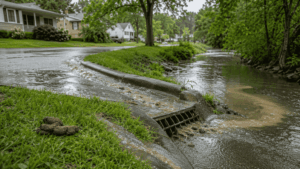
Snowmelt can do more than uncover dog waste. As water moves across the yard, it can carry small pieces of pet waste and bacteria into other areas.
Pet waste runoff may spread through:
Grass and soil
Garden beds
Patios and walkways
Drainage areas
Storm drains and nearby waterways
Regular dog waste cleanup helps reduce the amount of waste left behind before snow melts and supports a cleaner, healthier yard.
Dog Poop Can Cause Lawn Damage After Winter
Dog poop can also be tough on your lawn once the snow melts. Pet waste contains very high levels of nitrogen because dogs eat protein-rich diets. While nitrogen helps plants grow, too much of it can actually burn grass.
When dog poop sits on the lawn for long periods, that nitrogen seeps into the soil and damages the grass underneath. The result is often yellow or brown patches appearing across the yard in early spring. Regular dog poop cleanup helps protect your lawn and keeps your grass looking healthy.
Why Spring Is the Worst Time for Dog Waste Problems
Spring can quickly turn winter dog waste into a bigger yard problem. As snow melts and temperatures rise, hidden waste becomes exposed and odors can become more noticeable.
Common spring issues include:
Dog waste uncovered by melting snow
Stronger odors as temperatures warm up
Wet soil that can spread waste residue
More outdoor activity around the yard
Regular pet waste removal helps prevent heavy buildup and keeps the yard cleaner as families and pets start spending more time outside.
Health Risks Associated With Dog Waste
Dog poop can contain bacteria and parasites that may affect both people and pets. Some of these organisms can remain in the soil even after the visible waste is gone.
Common pathogens linked to pet waste include:
Contaminated soil can be tracked on shoes, paws, or hands and spread to other areas of the home or yard. Children and pets may be more likely to come into contact with these areas during outdoor play.
Regular dog poop cleanup helps reduce waste buildup and supports a cleaner, more sanitary yard.
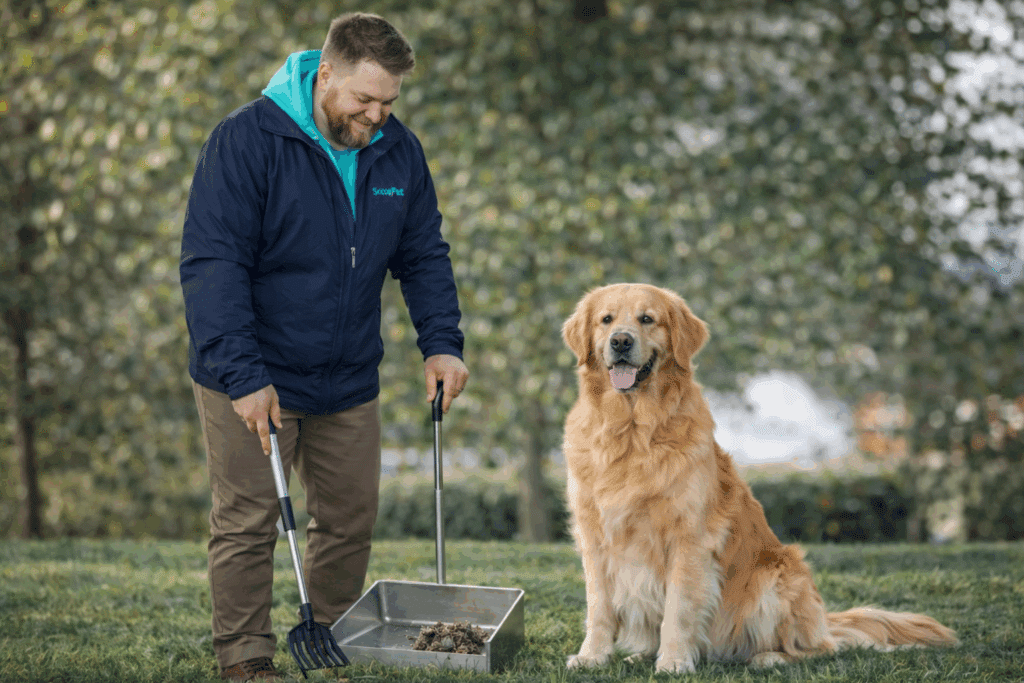
Spring is a good time to reset the yard after winter. Once the snow melts, dog waste that was hidden for weeks can become visible and start creating odor and sanitation issues.
Focus your cleanup on areas where waste commonly collects, including:
Fence lines
Yard corners
Landscaping beds
Frequently used potty areas
After the initial spring cleanup, regular dog poop removal helps prevent buildup and keeps the yard cleaner and easier to enjoy throughout the year.
Why ScooPet Recommends Early Spring Pet Waste Removal
At ScooPet, we regularly help homeowners across Northeast Ohio deal with the sudden buildup of dog poop that appears after winter snow melts. Many customers are surprised to discover how much pet waste accumulated beneath the snow during the colder months.
Spring cleanup can uncover weeks or even months of hidden pet waste. A professional pooper scooper service can help remove the buildup and make the yard easier to use again.
A thorough spring cleanup can help:
Reduce lingering odors
Remove accumulated pet waste
Improve overall yard cleanliness
Prepare the lawn for regular use
After the initial cleanup, weekly dog waste removal helps prevent buildup and keeps the yard cleaner throughout the year.
How Professional Pooper Scooper Services Help
Professional pooper scooper services provide an easy solution for homeowners who want to maintain a clean yard without performing the cleanup themselves. Technicians inspect the entire yard and remove dog waste during scheduled visits.
Routine pet waste removal prevents waste buildup and helps maintain better yard hygiene. Many companies also offer yard sanitizing and deodorizing treatments that help reduce bacteria and neutralize odors caused by pet waste.
Weekly dog waste removal services are one of the most effective ways to maintain a clean outdoor environment for pets and families.
Final Thoughts
Dog poop becomes worse after winter because snow hides pet waste while freezing temperatures prevent it from breaking down naturally. When temperatures rise and snow melts, months of accumulated waste become visible across the yard.
Melting snow activates bacteria, spreads contaminants through runoff, and increases the risk of lawn damage and unpleasant odors. Without proper cleanup, pet waste can quickly create sanitation problems for homeowners and pets.
That is why many homeowners rely on ScooPet’s professional pooper scooper and pet waste removal services to keep their yards clean year round. Regular dog waste removal helps prevent spring buildup, protect lawn health, and maintain a safer outdoor environment for families and pets.
Frequently Asked Questions
Dog poop appears worse in spring because snow hides pet waste during winter while freezing temperatures prevent it from decomposing. When snow melts, months of accumulated dog waste suddenly become visible across the yard.
The sudden appearance of waste combined with warmer temperatures and moisture causes odors, bacteria activity, and lawn damage to become much more noticeable.
Dog poop does not break down effectively under snow because freezing temperatures stop the natural decomposition process. The microorganisms responsible for breaking down organic waste become inactive in cold conditions.
As a result, dog poop remains frozen and preserved beneath the snow until temperatures rise in spring.
Dog poop appears everywhere when snow melts because winter snow hides accumulated waste for months. When the snow disappears, all of that hidden waste becomes visible at once.
Dog poop can contaminate stormwater runoff if it is left in the yard. Rain and melting snow can carry pet waste bacteria into storm drains and local waterways.
Removing pet waste regularly helps prevent environmental contamination.
Yard sanitizing treatments can help reduce bacteria and odors left behind after heavy pet waste buildup. These treatments improve yard hygiene and create a cleaner outdoor environment.