You look out at your yard and tell yourself you’ll clean it later. That turns into tomorrow, then the weekend, then next week. Before you know it, your yard is no longer a place you enjoy. It becomes something you avoid.
This is the reality for many dog owners, especially busy homeowners juggling work, family, and everything else that comes with daily life. Dog waste builds up quickly, and once it starts accumulating, it becomes harder to manage.
That is exactly why dog poop pick up services have become one of the most practical and in-demand services for homeowners today.
Dog Waste Adds Up Faster Than Most People Realize
Many homeowners underestimate how quickly dog waste accumulates. The numbers make it clear why this becomes a problem.
A single dog produces approximately three quarters of a pound of waste per day. Over the course of a month, that adds up to roughly 20 to 25 pounds of dog waste. In a household with two dogs, that number can exceed 40 to 50 pounds per month.
When that waste is not removed consistently, it does not disappear. It stays in the yard, builds up over time, and begins affecting everything from lawn health to sanitation.
This is one of the main reasons recurring dog poop pick up services are so valuable. They prevent buildup before it becomes overwhelming.
Why Dog Waste Is More Than Just a Mess
Dog poop is often treated as a simple nuisance, but the impact goes much deeper than appearance or smell. Pet waste is considered an environmental pollutant and does not function the same way as natural fertilizer.
Unlike manure from farm animals, dog waste contains high levels of harmful bacteria and does not break down cleanly into soil nutrients. Instead, it introduces contaminants into the yard that affect both the environment and the people using the space.
Problems Caused by Pet Waste:
- Bacteria and parasite buildup in soil
- Lawn damage and grass burn
- Strong, lingering odors
- Increased flies and pests
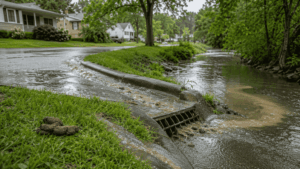
- Contaminated runoff during rain
For homeowners in Mentor, Willoughby, Beachwood, Highland Heights, Lyndhurst, and surrounding Northeast Ohio areas, these problems are even more noticeable due to seasonal weather patterns.
Health Risks of Dog Waste in Residential Yards
One of the most overlooked aspects of dog poop is the health risk it creates. Pet waste can carry bacteria and parasites that remain active in soil long after the waste itself is removed.
Common contaminants found in dog waste include:
- E. coli
- Salmonella
- Giardia
- Roundworms
- Hookworms
These organisms can spread through the yard and come into contact with children, pets, and even adults doing routine yard work. In wet conditions, bacteria can spread even further through soil and water runoff.
For families with kids or multiple pets, maintaining a clean yard becomes even more important. Regular dog poop removal reduces exposure and creates a safer outdoor environment.
The Real Cost of DIY Dog Poop Cleanup
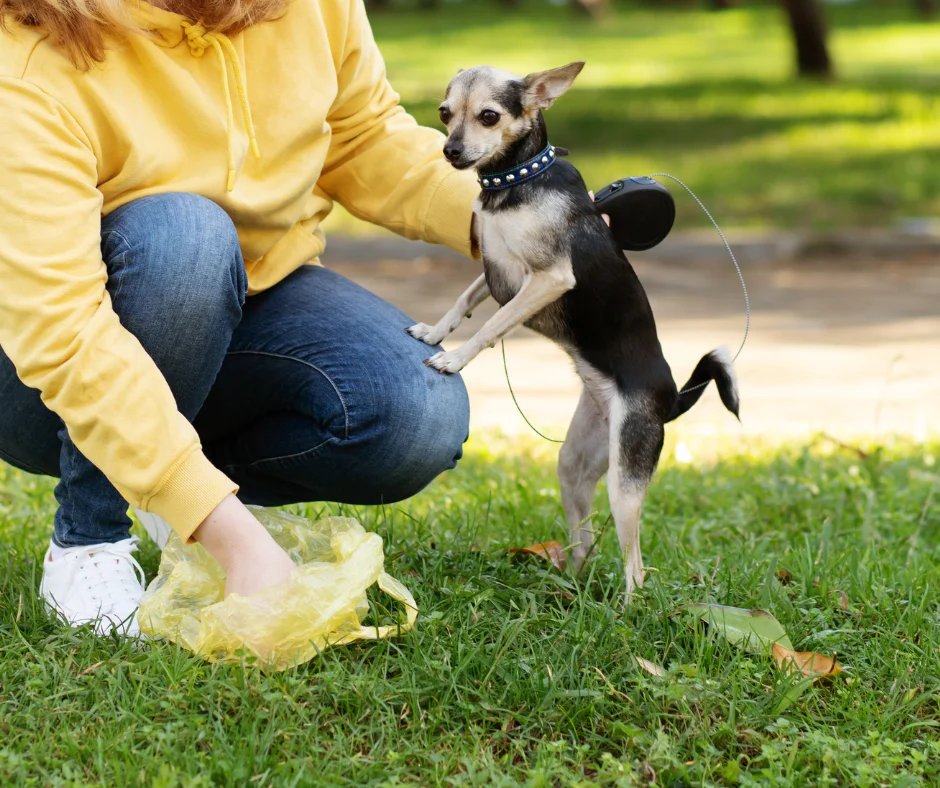
Most homeowners start with the idea that they will handle pet waste themselves. While that sounds simple, the reality is different.
Cleaning the yard consistently requires time, effort, and discipline. Most people clean less often than they should, which leads to buildup.
Weekly Time Breakdown:
- 10 to 20 minutes per cleanup
- 2 to 3 cleanups per week
- 30 to 60 minutes weekly
Over a month, that becomes several hours spent on a task most people dislike.
Beyond time, DIY cleanup is often inconsistent. Missed spots, bad weather, and busy schedules all contribute to incomplete cleaning.
Here is a clear comparison that shows why more homeowners are switching to professional services.
Factor | DIY Cleanup | Professional Service |
Time Required | 30–60 minutes weekly | 0 |
Consistency | Inconsistent | Reliable schedule |
Odor Control | Limited | Strong |
Lawn Protection | Moderate | High |
Health Risk | Higher | Lower |
Convenience | Low | Very high |
Professional pet waste removal eliminates the guesswork and ensures the yard stays consistently clean.
Why Dog Poop Pick Up Services Are Worth It
Professional services are not just about convenience. They solve multiple problems at once.
- Consistent Yard Cleanliness: Scheduled visits prevent waste buildup and keep the yard usable year-round.
- Improved Health and Sanitation: Regular removal reduces bacteria, parasites, and contamination in the soil.
- Time Savings: Homeowners no longer need to spend time cleaning the yard.
- Better Lawn Condition: Removing waste quickly prevents nitrogen burn and grass damage.
- Reduced Odor and Pest Activity: Frequent cleanup limits smell and discourages flies and insects.
At ScooPet, most customers choose weekly service because it maintains the best balance between cost and cleanliness.
How Dog Poop Pick Up Services Work
Understanding the process helps homeowners see why these services are effective.
Step 1: Full Yard Scan – Technicians walk the entire yard and identify all waste areas.
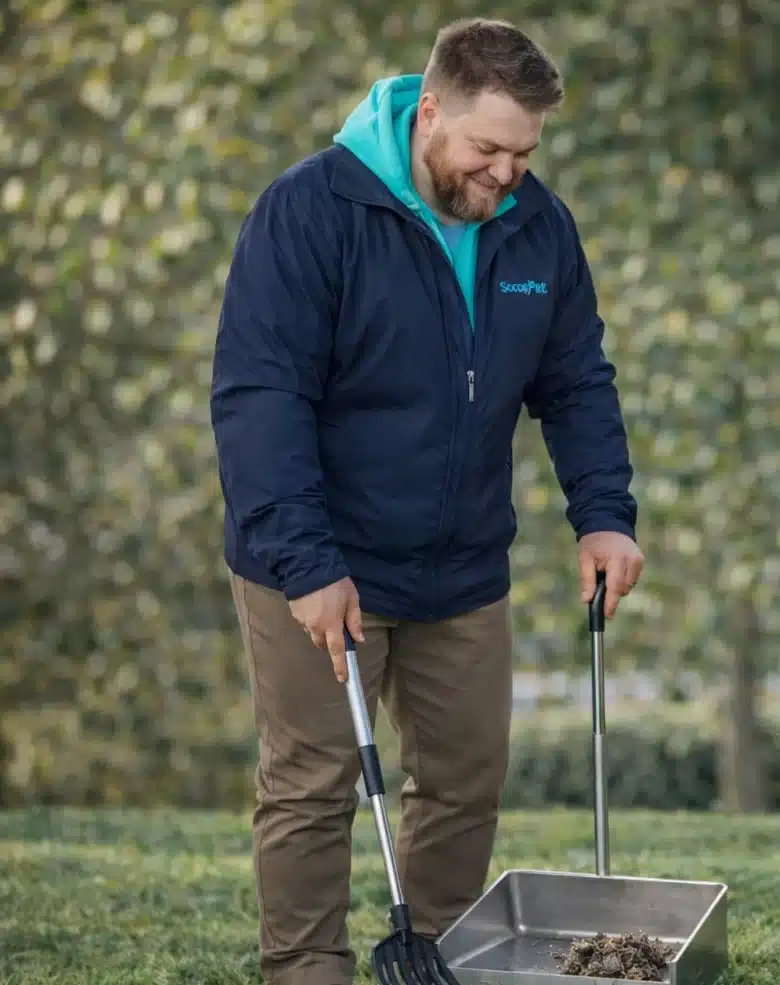
Step 2: Thorough Waste Removal – All visible dog waste is removed using professional tools.
Step 3: Double Check Pass – A second inspection ensures nothing is missed.
Step 4: Proper Disposal – Waste is bagged and disposed of according to local guidelines.
Some services also offer:
- Yard deodorizing treatments
- Pet waste station maintenance
- Yard sanitizing services
Why Northeast Ohio Homeowners Rely on These Services
Local conditions play a major role in pet waste buildup.
Seasonal Challenges:
Winter hides waste under snow, which leads to heavy spring cleanup. Spring thaw reveals months of accumulation all at once. Summer heat intensifies odor and bacteria growth. Fall leaves make waste harder to see and track.
Property Types:
Suburban homes, fenced yards, multi-dog households, and rental properties all increase the need for consistent pet waste removal.
Because of these factors, recurring service is not just convenient in Ohio. It is often necessary.
Who Benefits Most From Dog Poop Pick Up Services
This service is designed for practical homeowners who value their time and want a cleaner yard.
Ideal Customers:
- Busy professionals
- Families with children
- Multi-dog households
- Elderly homeowners
- Property managers and landlords
- Real estate agents preparing homes
If your yard is used regularly, consistent pet waste removal becomes essential.
Why ScooPet Recommends Recurring Service
At ScooPet, we see the same pattern every year. Homeowners wait too long, waste builds up, and cleanup becomes overwhelming.
Recurring service prevents that problem entirely.
Weekly dog poop pick up ensures:
- No buildup
- Better lawn protection
- Reduced odor
- Safer yard conditions
Most customers who start with one-time cleanup switch to recurring service because it keeps the yard consistently clean.
Final Thoughts
Dog waste doesn’t disappear on its own. It builds up over time, spreads bacteria, damages your lawn, and turns your yard into a space you avoid instead of enjoy.
For busy homeowners, the solution is simple. Let ScooPet handle it. With reliable dog poop pick up service across Lake, Geauga, and Cuyahoga Counties, you get a cleaner yard, a healthier environment, and more time to enjoy your outdoor space. Request your free quote today and take back your yard.
Frequently Asked Questions
Dog poop should be removed at least once per week to prevent buildup and maintain yard cleanliness. Homes with multiple dogs or smaller yards may benefit from twice weekly service because waste accumulates faster.
Dog waste is not classified as hazardous waste, but it is considered an environmental pollutant because it contains bacteria and parasites that can contaminate soil and water.
Yes. Rainwater can carry bacteria and nutrients from dog waste into storm drains and local waterways, which contributes to environmental pollution.
For two dogs, weekly service is typically the minimum recommended schedule. Many homeowners prefer twice weekly service to maintain a consistently clean yard.
Fence lines, corners, landscaping edges, and areas with tall grass are the most commonly missed spots during DIY cleanup.
Professional services are worth it for most homeowners because they save time, improve yard cleanliness, reduce health risks, and protect lawn health.