Ticks Are Closer Than You Think
Your dog doesn’t have to hike through the woods to pick up a tick.
Many ticks are found right where pets spend the most time, in backyards, along fence lines, around shrubs, in tall grass, and beneath leaf piles. Once attached, some ticks can transmit diseases that affect both dogs and people.
Summer is peak tick season across Ohio, making this the perfect time to inspect your yard and reduce places where ticks thrive.
The good news is that preventing ticks doesn’t have to be complicated. A few simple yard maintenance habits, combined with proper pet protection, can significantly lower your family’s exposure to ticks throughout the season.
In this guide, you’ll learn practical ways to reduce ticks in your backyard, protect your pets, and create a cleaner, safer outdoor environment all summer long.
How Can You Prevent Ticks in Your Backyard During Summer?
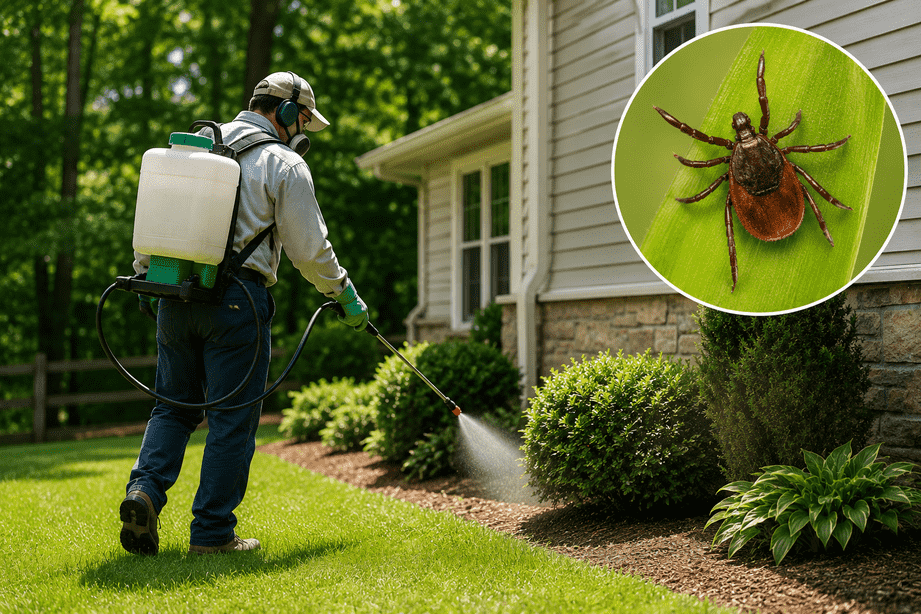
The best way to prevent ticks in your backyard is to keep the lawn mowed, remove leaf litter and overgrown vegetation, eliminate areas where ticks hide, check pets after spending time outdoors, and use veterinarian-recommended flea and tick prevention. Regular yard maintenance and professional tick control treatments can significantly reduce tick activity and create a safer outdoor space for pets and families.
Why Tick Prevention Matters
Ticks Are More Than Just a Nuisance
Ticks feed on the blood of animals and humans. During that process, some species can transmit diseases that may affect both pets and people.
Ohio is home to several common tick species, including:
- American Dog Tick
- Blacklegged Tick (Deer Tick)
- Lone Star Tick
These ticks have been associated with illnesses such as:
- Lyme disease
- Ehrlichiosis
- Rocky Mountain spotted fever
- Anaplasmosis
While not every tick carries disease, reducing tick exposure is one of the best ways to protect your household.
Where Ticks Hide in Your Backyard
Ticks Prefer Cool, Shaded Areas
Ticks do not jump or fly.
Instead, they wait on vegetation until a person or animal brushes past them.
Common hiding places include:
- Tall grass
- Overgrown weeds
- Leaf piles
- Dense shrubs
- Wooded edges
- Brush piles
- Fence lines
- Ground cover with heavy shade
The more places ticks have to hide, the more likely your dog is to encounter them during outdoor play.
Mow Your Lawn Regularly
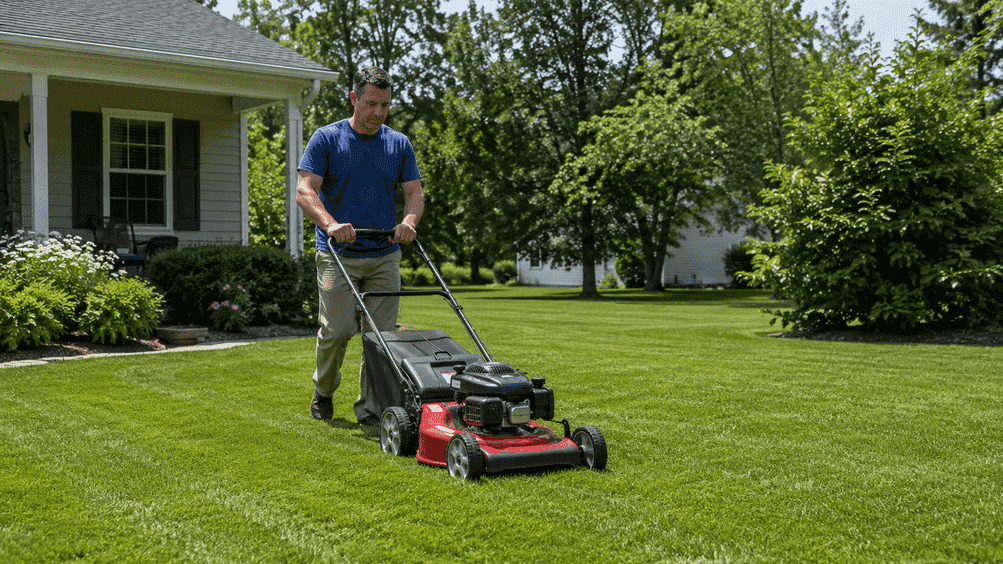
One of the easiest ways to discourage ticks is by keeping your lawn well maintained.
Regular mowing:
- Reduces shaded areas
- Improves airflow
- Allows more sunlight to reach the soil
- Makes it harder for ticks to survive
Keeping your grass trimmed also makes it easier to spot pet waste, sticks, and other debris that can make your backyard less enjoyable.
Remove Leaf Litter and Yard Debris
Ticks thrive in moist environments where leaves and organic debris collect.
Help reduce tick habitat by regularly removing:
- Leaf piles
- Fallen branches
- Brush piles
- Overgrown weeds
- Unused yard materials
A cleaner backyard gives ticks fewer protected places to live while making your outdoor space more inviting for your family.
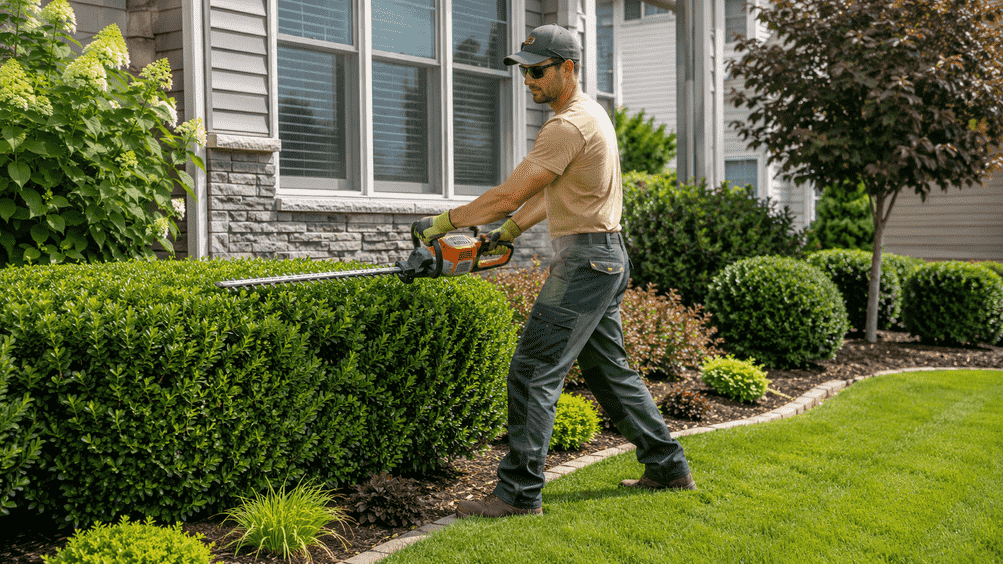
Keep Shrubs and Landscaping Trimmed
Dense landscaping traps moisture and creates cool, shaded conditions that ticks prefer.
Trim shrubs regularly and keep landscaping away from heavily used play areas whenever possible.
Improving airflow also helps your lawn dry faster after rain, creating conditions that are less favorable for ticks.
Check Your Dog After Every Outdoor Adventure
Even a well-maintained yard cannot eliminate every tick.
After spending time outdoors, check your dog carefully, especially around the:
- Ears
- Neck
- Face
- Between the toes
- Under the collar
- Belly
- Tail
Removing ticks promptly lowers the chance of disease transmission and helps keep your dog healthier. If you find a tick attached to your dog, remove it carefully with fine-tipped tweezers or consult your veterinarian.
Use Veterinarian-Recommended Flea and Tick Prevention
A clean backyard is only one part of tick prevention. Veterinarians recommend using flea and tick prevention products that are appropriate for your dog’s age, size, and health.
Options may include oral medications, topical treatments, tick collars, and prescription preventatives.
For added outdoor protection, ScooPet also offers an Organic Tick & Flea Repellent Service designed to help reduce tick and flea activity in the areas where pets play most. When veterinarian-approved protection is combined with routine yard maintenance and outdoor pest control, it gives your dog a stronger layer of defense against ticks and fleas.
Pick Up Dog Waste Consistently
Although dog waste does not directly attract ticks, leaving it in the yard contributes to poor sanitation, unpleasant odors, and an outdoor environment that is harder to maintain.
Regular dog poop pick up helps:
- Keep grass easier to maintain
- Make mowing more effective
- Improve backyard cleanliness
- Create a more enjoyable play space
- Support an overall healthy yard maintenance routine
Keeping your yard clean makes it easier to inspect for potential tick habitats and maintain a safer environment for pets and people.
Create a Tick-Smart Backyard
You don’t need to redesign your entire landscape to reduce tick activity.
Simple improvements include:
- Keeping grass trimmed
- Removing leaf litter
- Creating gravel or mulch borders between wooded areas and lawns
- Storing firewood neatly in dry areas
- Limiting access to heavily wooded sections of the yard
- Keeping children’s play equipment away from dense vegetation
These small changes help reduce places where ticks can hide while making your backyard easier to maintain.
Consider Professional Tick Control
If ticks are a recurring problem, professional yard treatments can provide another layer of protection.
Scoopet’s Organic Tick & Flea Repellent Service helps homeowners throughout Northeast Ohio reduce tick activity using an eco-friendly treatment designed for outdoor spaces where pets and families spend time.
Combined with routine lawn care and dog poop pick up, professional treatments can help create a cleaner, safer backyard throughout the summer.
Protect Children During Tick Season
Kids Need Tick Checks Too
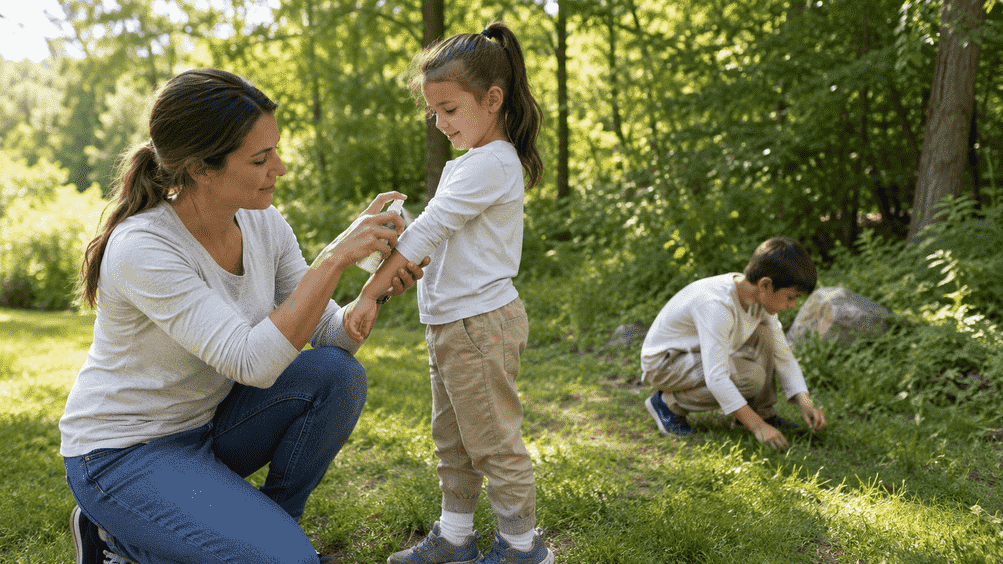
Children spend just as much time outdoors as pets during the summer, making them more likely to encounter ticks while playing in the yard.
After outdoor activities, check children for ticks around the:
- Hairline
- Behind the ears
- Under the arms
- Behind the knees
- Waistline
Wearing light-colored clothing also makes ticks easier to spot before they attach.
Know When Tick Activity Is Highest
Summer Is Peak Tick Season in Ohio
Ticks can be active whenever temperatures rise above freezing, but spring and summer are typically when homeowners notice them most.
Tick activity often increases in:
- Tall grass
- Shaded landscapes
- Wooded areas
- After periods of rain and humidity
Staying consistent with yard maintenance throughout the season helps reduce tick habitat before populations increase.
Tick Prevention Checklist for Pet Owners
Weekly Backyard Checklist
- Mow the lawn regularly.
- Remove leaf piles and yard debris.
- Trim shrubs and overgrown vegetation.
- Check pets for ticks after outdoor play.
- Pick up dog waste consistently.
- Keep wooded edges clean and accessible.
- Stay current on veterinarian-recommended flea and tick prevention.
Simple weekly maintenance helps create a cleaner, safer backyard throughout the summer.
Why a Clean Yard Makes Tick Prevention Easier
A well-maintained backyard is easier to inspect, easier to mow, and less inviting to pests.
Routine dog poop pick up, lawn care, and debris removal won’t eliminate ticks on their own, but they create conditions that make it harder for ticks to establish hiding places.
For homeowners, this means:
- Better visibility around the yard
- Cleaner outdoor play areas
- Less overgrowth
- Easier pest management
- A healthier environment for pets and families
Why Northeast Ohio Homeowners Trust Scoopet
More Than Dog Poop Pick Up
Keeping a backyard healthy involves more than removing pet waste.
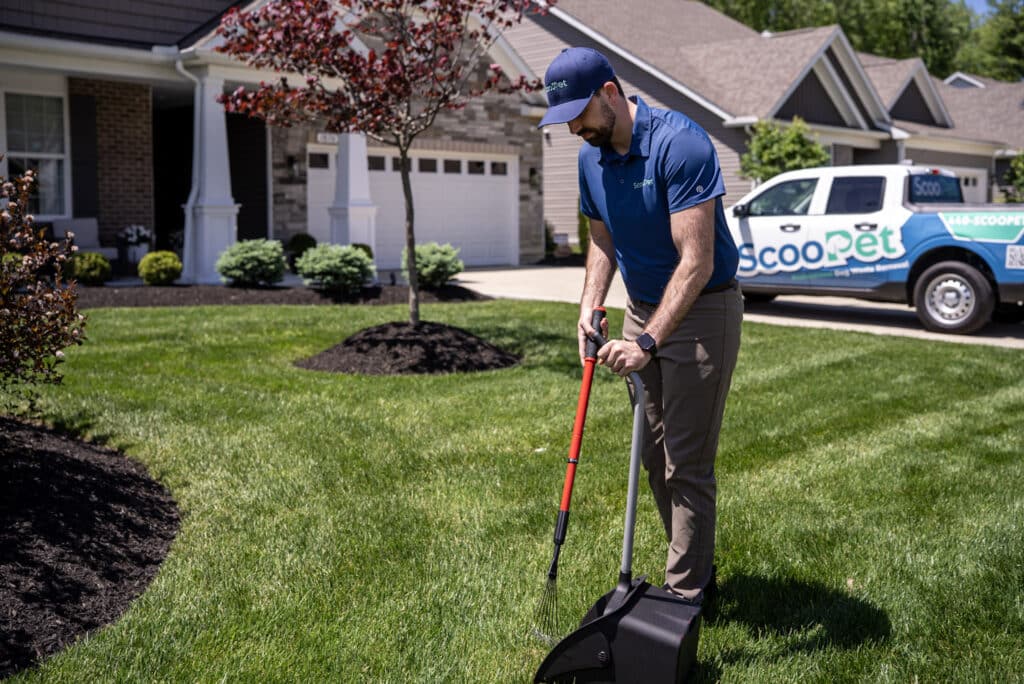
In addition to reliable dog poop pick up services, Scoopet also offers an Organic Tick & Flea Repellent Service to help homeowners across Northeast Ohio reduce flea and tick activity in their yards.
Together, these services help create a cleaner, more enjoyable outdoor space where families and pets can spend more time outside with greater peace of mind.
Final Thoughts
Ticks are a common concern during Ohio summers, but they don’t have to keep your family from enjoying the outdoors.
By mowing regularly, removing leaf litter, trimming overgrown vegetation, checking your pets after outdoor activities, and staying current on veterinarian-recommended flea and tick prevention, you can significantly reduce tick activity around your home.
Adding consistent dog poop pick up and professional yard treatments creates an even cleaner, healthier outdoor environment.
If you’re looking for dependable dog poop pick up and Organic Tick & Flea Repellent Services in Northeast Ohio, Scoopet is here to help. We make it easier to enjoy a cleaner backyard while helping protect your pets and family throughout the summer.
Frequently Asked Questions
Ticks are attracted to tall grass, leaf litter, dense shrubs, wooded edges, and shaded areas with moisture. Keeping your yard clean and well-maintained helps reduce places where ticks can hide.
Yes. Regular lawn mowing reduces shade and moisture while making the yard less favorable for ticks. It also makes it easier to spot overgrown areas that may need attention.
During peak tick season, it's a good idea to check your dog after spending time outdoors, especially if they've been in tall grass, wooded areas, or dense vegetation.
They can, but ticks are much more likely to be found in taller grass, shrubs, leaf piles, and shaded landscaping. Keeping your lawn maintained helps reduce their preferred habitat.
Use fine-tipped tweezers to grasp the tick as close to the skin as possible and pull upward with steady pressure. Avoid twisting or crushing the tick. If you're unsure, contact your veterinarian.
No. Dog waste does not directly attract ticks. However, regular dog poop pick up helps maintain a cleaner yard that's easier to mow, inspect, and manage as part of an overall tick prevention routine.
Ticks are most active during spring and summer, although some species remain active anytime temperatures are above freezing.
Treatment schedules vary depending on your property and local tick activity. Many homeowners choose seasonal applications during the warmer months for added protection.