Ticks are becoming a bigger problem for homeowners across Northeast Ohio. What was once considered a concern mainly for hikers and campers is now affecting everyday homeowners, dog owners, and families simply spending time in their own backyards.
As tick populations continue expanding throughout Ohio, more people are asking an important question:
Do professional tick treatments actually work, or are they just another seasonal service with limited results?
The short answer is yes. Professional tick treatments can significantly reduce tick populations on residential properties when they are combined with proper yard maintenance, habitat modification, and ongoing prevention efforts.
However, there is also a lot of misinformation surrounding tick control. Many homeowners assume a single yard spray will completely eliminate ticks for the entire season. Others believe tick treatments are unnecessary if they keep their grass mowed.
The reality falls somewhere in between.
Understanding how professional tick treatments work, what they can realistically accomplish, and how they fit into a larger tick prevention strategy can help homeowners make informed decisions about protecting their families, pets, and outdoor spaces.
Do Professional Tick Treatments Really Work?
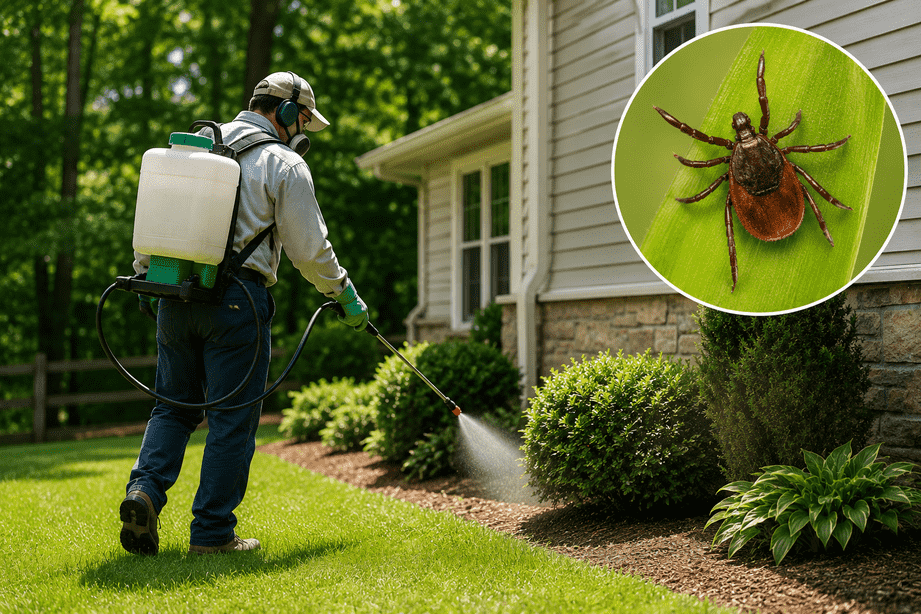
Yes. Professional tick treatments can significantly reduce tick populations in residential yards by targeting areas where ticks live, breed, and wait for hosts. While no treatment can completely eliminate every tick, professional tick control combined with proper lawn maintenance, habitat reduction, and wildlife management can dramatically lower tick activity and reduce the risk of tick bites for people and pets.
Why Ticks Are Becoming More Common in Northeast Ohio
Many homeowners have noticed an increase in tick activity over the last several years, and that observation is not your imagination. Several factors are contributing to the growing tick population throughout Northeast Ohio.
- Milder Winters: Historically, harsh winters helped suppress tick populations. Warmer winters now allow more ticks to survive and remain active for longer periods throughout the year.
- Growing Deer Populations: White-tailed deer are one of the primary hosts for adult ticks. As deer populations continue to thrive throughout Ohio, ticks have more opportunities to spread into residential neighborhoods.
- Expanding Wildlife Activity: Ticks feed on a variety of hosts, including deer, mice, chipmunks, raccoons, opossums, dogs, and humans. Increased wildlife activity around a property often leads to greater tick exposure.
- Development Near Wooded Areas: Many Northeast Ohio homes are located near forest edges, parks, green spaces, creek corridors, and nature preserves. These environments provide ideal tick habitat and make it easier for ticks to migrate into residential yards.
- Favorable Tick Habitat: Leaf litter, dense vegetation, overgrown landscaping, and shaded areas create the humid conditions ticks need to survive and reproduce.
Understanding How Professional Tick Treatments Work
Professional tick treatments focus on reducing tick populations where they are most likely to live and reproduce.
Contrary to what many homeowners believe, pest control companies do not simply spray an entire lawn and hope for the best.
Effective tick control targets the specific environments where ticks spend most of their time.
These commonly include:
- Wooded property lines
- Leaf litter
- Brushy areas
- Dense vegetation
- Fence lines
- Ground cover
- Shaded landscape beds
- Tall grass
Ticks are extremely sensitive to drying out. They prefer humid, shaded environments where moisture levels remain relatively stable.
Professional tick treatments are designed to target these high-risk zones.
Types of Professional Tick Treatments
Several different tick treatment methods are commonly used throughout Northeast Ohio. The right approach often depends on the property’s size, tick pressure, surrounding habitat, and the homeowner’s preferences.
- Barrier Tick Sprays: One of the most common treatment methods, barrier sprays are applied around wooded edges, landscape beds, fence lines, and other tick-prone areas to help reduce active tick populations.
- Tick Tubes: Tick tubes target rodents that commonly carry immature ticks. Mice collect treated nesting material from the tubes, helping reduce ticks during an important stage of their life cycle.
- Granular Tick Treatments: Some companies use granular products that provide longer-lasting control in specific areas of the yard and are often combined with liquid treatments for broader coverage.
- Organic Tick Treatments: Homeowners seeking reduced-risk alternatives may choose treatments made with botanical oils or other natural ingredients. These options can be effective but often require more frequent applications.
- Integrated Tick Management Programs: Many professionals combine treatments with habitat modification, wildlife management, and ongoing monitoring to provide more comprehensive tick control.
How Effective Are Professional Tick Treatments?
This is the question most homeowners really want answered.
The answer is encouraging.
Professional tick treatments can dramatically reduce tick populations when applied correctly. However, homeowners should understand that tick control is about reduction, not total elimination.
Even the best treatment program cannot guarantee a completely tick-free property. Ticks can continue entering your yard through:
- Wildlife movement
- Neighboring properties
- Pets
- Deer activity
- Untreated wooded areas
The goal of professional treatment is to reduce tick populations to levels that significantly lower exposure risk.
For many homeowners, this results in noticeably fewer tick encounters throughout the season.
Factors That Affect Treatment Success
Not all properties respond the same way to tick control programs.
Several factors influence results.
- Property Size: Larger properties often contain more tick habitat and may require broader treatment coverage.
- Surrounding Environment: Homes located directly beside wooded areas generally experience higher tick pressure than homes in dense urban neighborhoods.
- Wildlife Activity: Properties with heavy deer, rodent, or raccoon activity often experience ongoing tick introductions.
- Maintenance Practices: Yards that are regularly maintained typically respond better to tick control efforts than neglected properties.
Why Yard Maintenance Is Just as Important as Tick Treatments
One of the biggest misconceptions about tick control is that spraying alone solves the problem.
In reality, habitat management plays a major role in long-term success.
Professional tick treatments work best when combined with:
- Regular lawn mowing
- Leaf litter removal
- Brush management
- Vegetation trimming
- Moisture control
- Wildlife management
Homeowners who combine these strategies often see significantly better results than those relying solely on chemical treatments.
How Scoopet Helps Create Less Tick-Friendly Yards
Many homeowners don’t immediately connect pet waste removal with tick prevention.
While dog poop does not directly attract ticks, neglected yards often create the types of conditions that support tick activity.
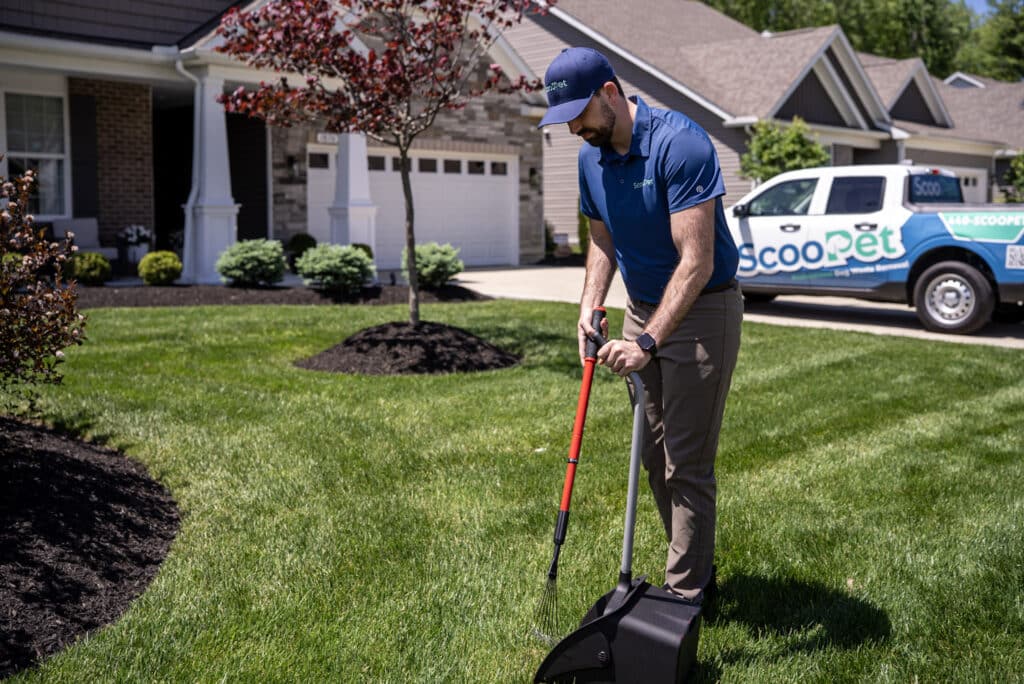
At Scoopet, our services help homeowners maintain cleaner outdoor environments through:
- Professional pet waste removal
- Yard sanitizing
- Yard deodorizing
- Organic Tick & Flea Repellent Service
- Routine yard maintenance support
A cleaner yard makes it easier to identify tick habitats, reduce wildlife attractants, and maintain healthier outdoor spaces for pets and families.
Are Professional Tick Treatments Worth It?
For many Northeast Ohio homeowners, the answer is yes.
If your property experiences regular tick activity, professional treatments can provide a meaningful reduction in tick populations and help lower the risk of tick-borne diseases.
The greatest success comes from combining:
- Professional tick treatments
- Property maintenance
- Wildlife management
- Personal tick prevention
- Regular pet inspections
When these strategies work together, homeowners often experience far fewer tick encounters throughout the season.
Final Thoughts
Professional tick treatments can absolutely reduce tick populations in your yard, but they work best as part of a larger prevention strategy. Tick control is not a one-time event. It requires ongoing attention to yard conditions, wildlife activity, and seasonal changes.
For homeowners throughout Northeast Ohio, combining professional treatments with proper yard maintenance offers the best opportunity to create a safer outdoor environment for families and pets.
At Scoopet, we help homeowners maintain cleaner, healthier yards through professional dog waste removal, yard sanitizing, and yard deodorizing services that support overall outdoor health and enjoyment.
Frequently Asked Questions
The most effective approach combines professional tick treatments, regular lawn mowing, leaf litter removal, wildlife management, and pet protection. No single treatment eliminates all ticks, but combining these strategies can significantly reduce tick activity.
Yes. Professional tick treatments can reduce Lone Star Tick populations when applied to wooded edges, brushy areas, and other common tick habitats. Regular treatments may be necessary in areas with high wildlife activity.
Many professional tick treatments begin reducing active tick populations within hours to days after application. Long-term effectiveness depends on weather conditions, treatment type, and property conditions.
Ticks are attracted to shaded, humid environments with tall grass, leaf litter, dense vegetation, and wildlife activity. Deer, mice, raccoons, and other animals commonly transport ticks onto residential properties.
Many properties benefit from treatments every 4 to 8 weeks during peak tick season. Treatment schedules vary based on tick pressure, property size, weather conditions, and surrounding habitat.
Reducing tick populations can lower the likelihood of tick encounters, which may help reduce exposure to Lyme disease and other tick-borne illnesses. Personal protective measures should still be used.
For properties with significant vegetation, wildlife activity, or recurring tick problems, professional treatments can provide an additional layer of protection that is difficult to achieve through DIY methods alone.