Summer is when families spend more time outdoors, dogs spend more time in the yard, and unfortunately, insects become far more active. Many homeowners notice an increase in flies, ants, beetles, and other pests during the warmer months, but few realize that one of the biggest reasons may be sitting right in their backyard.
If you’ve ever wondered, “Can dog poop attract bugs in the summer?”, the answer is yes.
Dog waste is one of the most overlooked pest attractants in residential yards. Warm temperatures, humidity, moisture, and organic matter create ideal conditions for insects to feed, reproduce, and thrive. What starts as a few piles of dog poop can quickly turn into a breeding ground for flies, attract ants and beetles, encourage rodent activity, and create unpleasant odors throughout your outdoor space.
For homeowners, pet owners, and property managers, understanding how dog waste affects your yard can help prevent insect infestations, protect your family’s health, and keep your outdoor spaces cleaner and more enjoyable all summer long.
Can Dog Poop Attract Bugs in the Summer?
Yes. Dog poop attracts bugs during the summer because it contains organic matter, moisture, proteins, fats, and nutrients that insects use as food and breeding material. Flies, ants, beetles, cockroaches, fleas, and other pests are commonly attracted to pet waste. Hot weather accelerates decomposition, making dog poop even more appealing to insects and increasing the likelihood of pest activity in your yard.
Why Dog Poop Attracts Bugs
Dog waste may seem harmless, but to insects, it is a valuable food source.
Fresh dog poop contains:
- Proteins
- Fats
- Undigested food particles
- Moisture
- Nitrogen
- Organic matter
As the waste begins to break down, bacteria release gases and odors that insects can detect from surprisingly long distances.
The stronger the smell becomes, the more attractive the waste becomes to pests looking for food, shelter, or a place to reproduce.
During summer, decomposition happens much faster because of increased temperatures and humidity, which means insects can find and colonize dog waste much more quickly than during colder months.
Why Summer Makes the Problem Worse
Many homeowners notice a spike in flies, ants, and other pests during the summer, and dog waste is often part of the reason. Warm temperatures, higher humidity, and increased insect activity create ideal conditions for bugs to find and thrive around pet waste.
- Higher Temperatures Speed Up Decomposition: Summer heat causes dog poop to break down faster, releasing stronger odors that attract flies and other insects searching for food and breeding sites.
- Increased Moisture Creates Ideal Conditions: Humidity helps keep pet waste moist, making it more attractive to insects and creating better conditions for eggs and larvae to survive.
- Bugs Are More Active During Summer: Flies reproduce faster, ant colonies expand, and many other pests become more active as temperatures rise, increasing the likelihood of infestations around dog waste.
- Waste Accumulates Faster in Multi-Dog Households: Homes with multiple dogs often generate more pet waste, which can quickly become a larger attractant for insects if not removed regularly.
- Outdoor Activity Increases Exposure: During summer, families and pets spend more time outdoors, making bug problems around dog waste more noticeable and harder to ignore.
What Bugs Does Dog Poop Attract?
Many homeowners are surprised by how many pests can be attracted to dog waste, especially during the summer months when heat and humidity accelerate decomposition.
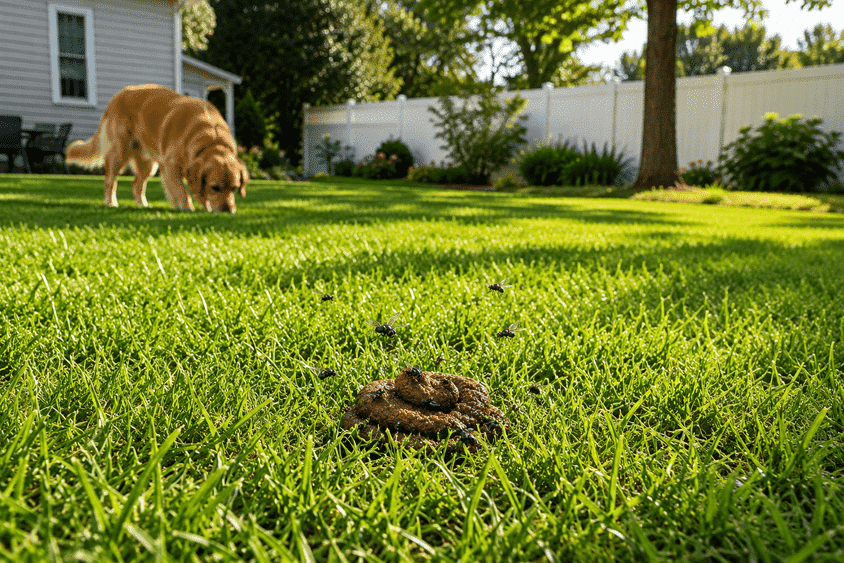
- Flies: House flies, blow flies, and flesh flies are the most common insects attracted to dog poop because it serves as both a food source and a breeding site.
- Ants: Dog waste contains organic matter and nutrients that ants can consume. Some ant species are especially attracted to pet waste containing undigested food particles.
- Beetles: Various beetle species naturally feed on animal waste as part of their life cycle.
- Cockroaches: Cockroaches are scavengers that feed on many types of organic material, including dog poop.
- Fleas: While fleas do not feed directly on dog waste, pet waste can create moist environments that support flea populations and attract animals that carry fleas.
- Ticks: Neglected areas with pet waste often contain tall grass, excess moisture, and wildlife activity, all of which can contribute to tick habitat.
- Rodents: Rats and mice may be attracted to undigested food particles found in dog feces.
Health Risks Associated With Dog Waste and Bugs
The issue goes beyond nuisance pests.
Dog waste and the insects it attracts can pose legitimate health concerns.
Bacteria and Pathogens
Dog feces can contain harmful microorganisms, including:
- E. coli
- Salmonella
- Campylobacter
- Giardia
Flies and cockroaches can transfer these pathogens from pet waste to surfaces around your property.
Parasites
Dog waste may contain parasite eggs that remain viable in soil for extended periods.
Examples include:
- Roundworms
- Hookworms
- Whipworms
These parasites can pose risks to both pets and humans.
Increased Exposure for Children
Children often play directly on lawns and outdoor spaces.
When insects move between contaminated waste and recreational areas, the risk of exposure increases.
Pet Health Risks
Dogs are naturally curious.
They may investigate areas where insects gather or come into contact with contaminated waste.
This can increase the risk of parasite transmission and illness.
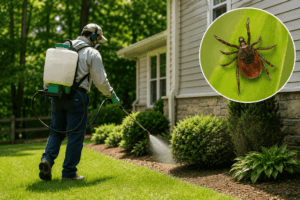
Unlike some tick species that passively wait for hosts, Lone Star Ticks actively seek out humans and animals. Many experts consider them one of the most aggressive tick species in North America.
Signs Dog Poop Is Attracting Bugs
If you’re unsure whether pet waste is causing a pest problem, watch for these common signs:
- Increased Fly Activity: Large numbers of flies hovering around specific areas of the yard often indicate decomposing waste.
- Ant Trails: Ants consistently traveling to certain areas may be feeding on organic material within pet waste.
- Beetles Around the Lawn: An increase in beetles can indicate animal waste accumulation.
- Strong Odors: Persistent pet waste odors often signal conditions that attract insects.
- Rodent Sightings: Seeing rats or mice around your property may indicate available food sources, including pet waste.
How Long Does It Take for Bugs to Find Dog Poop?
The answer is often much faster than people expect.
Flies can detect fresh waste almost immediately.
In many cases, insects begin arriving within minutes of a dog relieving itself.
When temperatures are high, waste begins decomposing rapidly, making it even more attractive to pests.
The longer dog poop remains in the yard, the more likely it becomes that insects will use it as a food source or breeding site.
How to Prevent Bugs From Being Attracted to Dog Waste
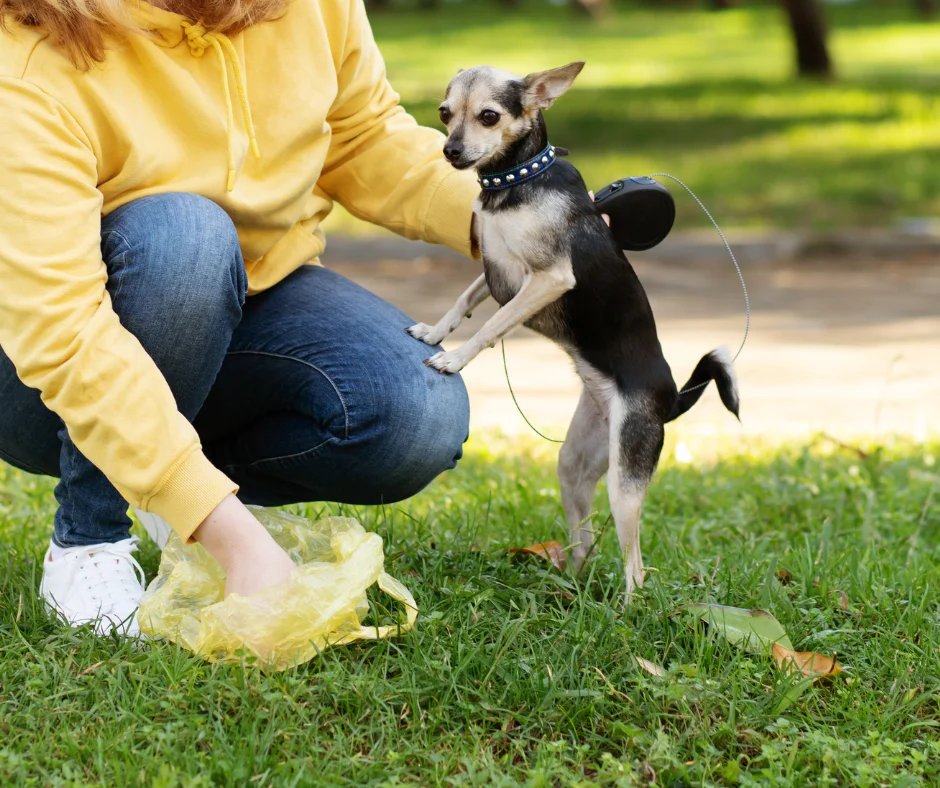
- Pick Up Dog Poop Quickly: The faster waste is removed, the less time flies, ants, beetles, and other pests have to find and feed on it.
- Follow a Consistent Cleanup Schedule: Daily cleanup is ideal during summer, but even several cleanings per week can significantly reduce pest activity and odors.
- Keep Grass Maintained: Regular mowing helps eliminate hiding spots for insects, fleas, and ticks while improving airflow throughout the yard.
- Remove Standing Water: Mosquitoes and many other pests rely on standing water to breed, making moisture control an important part of pest prevention.
- Use Yard Deodorizing Services: Professional deodorizing and sanitizing treatments help eliminate odor-causing bacteria and residue that can continue attracting pests.
- Reduce Wildlife Activity: Limiting food sources, brush piles, and other wildlife attractants can help reduce rodents and the pests they bring into your yard.
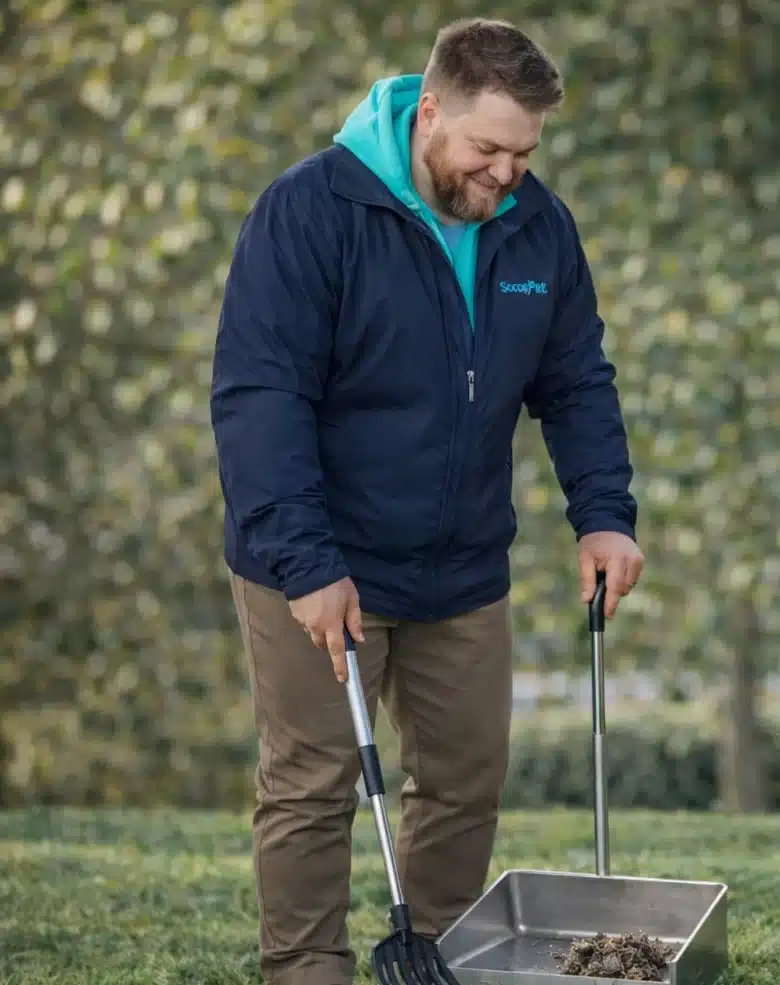
- Hire a Professional Pooper Scooper Service: Regular dog waste removal helps reduce fly activity, minimize pest infestations, control odors, and create a cleaner outdoor environment.
At Scoopet, we help homeowners throughout Northeast Ohio maintain cleaner yards with professional dog poop removal, yard sanitizing, and deodorizing services that help reduce many of the conditions pests love.
Many homeowners think of dog poop as simply an unpleasant sight.
In reality, pet waste impacts:
- Pest activity
- Yard cleanliness
- Outdoor enjoyment
- Pet health
- Environmental health
- Property appearance
A single dog can produce hundreds of pounds of waste each year.
Without proper cleanup, that waste becomes a continuous attractant for insects and other pests.
Keeping a yard clean is one of the simplest ways to reduce summer bug problems.
How Scoopet Helps Keep Your Yard Bug-Free
At Scoopet, we understand that dog waste is more than just a nuisance.
Left untreated, it can attract flies, ants, beetles, rodents, and other pests while creating unpleasant odors and unhealthy outdoor conditions.
Our professional pet waste removal services help homeowners maintain cleaner, healthier, and more enjoyable yards year-round.
Regular dog poop pickup removes the source that attracts insects, helping reduce pest activity before it becomes a bigger problem.
Final Thoughts
So, can dog poop attract bugs in the summer?
Absolutely.
Dog waste provides food, moisture, nutrients, and breeding opportunities for many insects and pests. Summer heat accelerates decomposition and intensifies odors, making pet waste even more attractive to flies, ants, beetles, cockroaches, fleas, ticks, and rodents.
The best way to prevent these problems is simple: remove dog waste consistently and keep your yard clean.
If you want a cleaner yard, fewer bugs, and more time to enjoy your outdoor space, contact Scoopet today and let our professional pet waste removal team handle the dirty work for you.
Frequently Asked Questions
Warm temperatures accelerate decomposition, causing dog waste to release stronger odors and attract flies, ants, beetles, cockroaches, and other pests looking for food and breeding sites.
Flies are typically the most common pests attracted to dog waste. Fresh poop provides an ideal location for flies to feed and lay eggs, which can quickly lead to maggot activity.
In hot weather, insects can begin finding dog waste within minutes. The longer it remains in the yard, the greater the chance of attracting flies, ants, beetles, and other pests.
Dog poop does not directly attract mosquitoes, but waste can contribute to damp conditions that support mosquito activity, especially when combined with standing water.
Yes, but more frequent cleanup is usually better. Daily or multiple-times-per-week dog waste removal can significantly reduce fly activity, odors, and pest attraction.
Regular dog waste removal helps eliminate a major food source for insects and rodents, making your yard less attractive to many common summer pests.
The most effective solution is consistent waste removal, combined with proper lawn maintenance, odor control, moisture management, and routine yard cleaning.