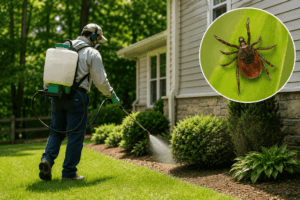
A growing number of Northeast Ohio homeowners are discovering something unexpected in their backyards, local parks, hiking trails, and even on their dogs after spending time outdoors.
It is not the blacklegged tick that most people associate with Lyme disease.
It is the Lone Star Tick.
Once considered primarily a southern species, the Lone Star Tick has expanded its range significantly over the last several years and is now being found more frequently throughout Ohio, including Northeast Ohio. Public health officials, veterinarians, pest management professionals, and wildlife experts are all paying closer attention to this aggressive tick because it carries diseases, bites humans more readily than many other tick species, and has been linked to a potentially life-changing condition known as Alpha-Gal Syndrome, commonly called the red meat allergy.
For homeowners, dog owners, hikers, gardeners, and families who spend time outdoors, understanding the Lone Star Tick has become increasingly important.
At Scoopet, we spend a lot of time helping homeowners create cleaner, healthier outdoor spaces. As tick populations continue growing throughout Northeast Ohio, knowing how to reduce tick habitats around your yard is becoming just as important as keeping your lawn clean and maintained.
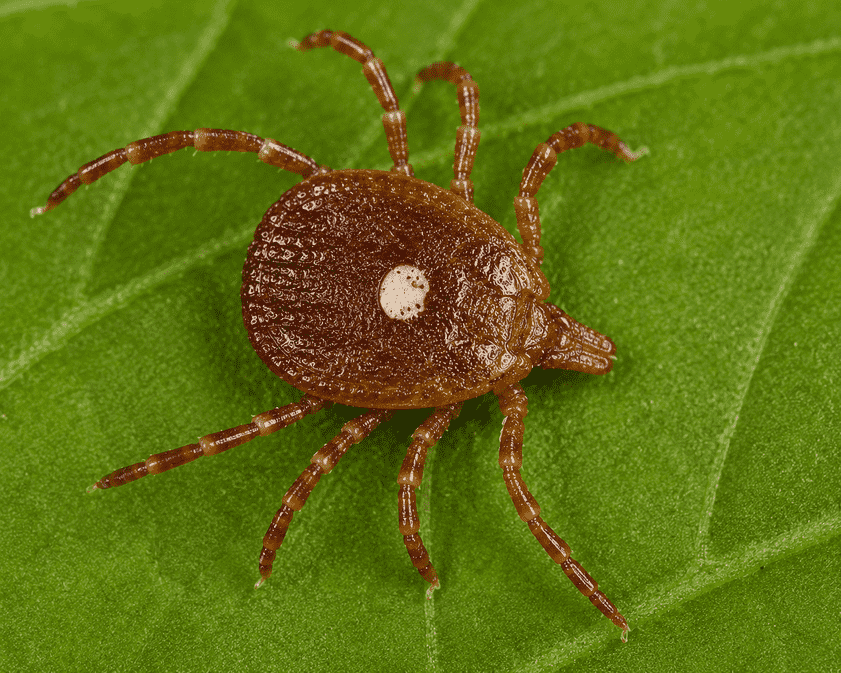
What Is the Lone Star Tick?
The Lone Star Tick (Amblyomma americanum) is an aggressive tick species identified by a distinctive white dot on the back of adult females. It is spreading throughout Ohio and can transmit illnesses such as ehrlichiosis and Southern Tick-Associated Rash Illness (STARI). Lone Star Tick bites have also been linked to Alpha-Gal Syndrome, a red meat allergy that can develop after a bite.
Why Are Lone Star Ticks Spreading in Northeast Ohio?
Several factors are contributing to the rapid expansion of Lone Star Tick populations throughout Ohio.
Warmer Winters
Historically, colder winters helped limit the spread of many tick species. However, milder winter temperatures allow more ticks to survive and reproduce successfully each year.
Expanding Deer Populations
White-tailed deer serve as one of the primary hosts for Lone Star Ticks. As deer populations continue to thrive throughout Ohio, ticks gain more opportunities to spread into suburban neighborhoods and residential properties.
Increased Wildlife Activity
Raccoons, squirrels, birds, coyotes, and other wildlife can transport ticks across large distances. Properties located near wooded areas, green spaces, creek corridors, and nature preserves often experience greater tick pressure.
Growing Suitable Habitat
Many Northeast Ohio communities contain ideal tick habitat, including:
- Wooded property lines
- Tall grass
- Brushy areas
- Leaf litter
- Overgrown landscaping
- Parks and hiking trails
As development pushes into previously wooded areas, encounters between people, pets, wildlife, and ticks become more common.
How to Identify a Lone Star Tick
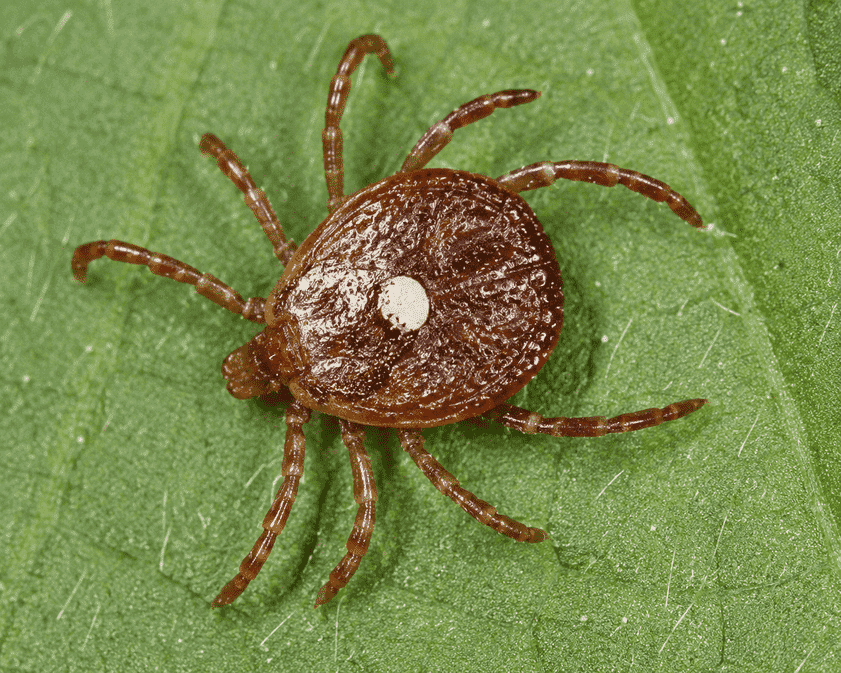
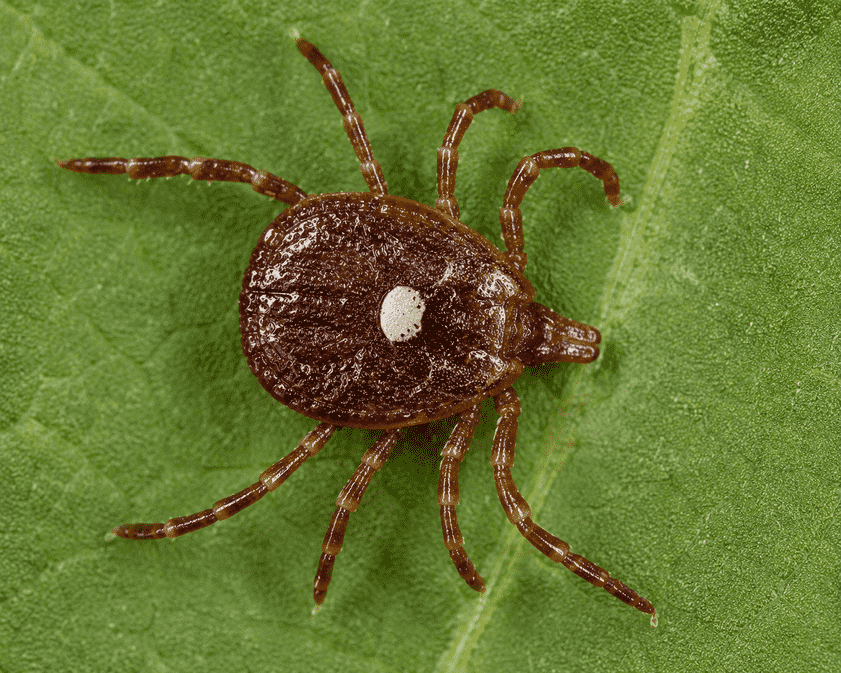
The easiest way to identify an adult female Lone Star Tick is by the single white spot located on her back.
Common identification features include:
Adult Female
- Distinct white dot or “lone star”
- Reddish-brown body
- Aggressive biting behavior
Adult Male
- Smaller white markings along the body edge
- Darker appearance
- No single central white dot
Nymphs
- Extremely small
- Difficult to identify
- Responsible for many human bites
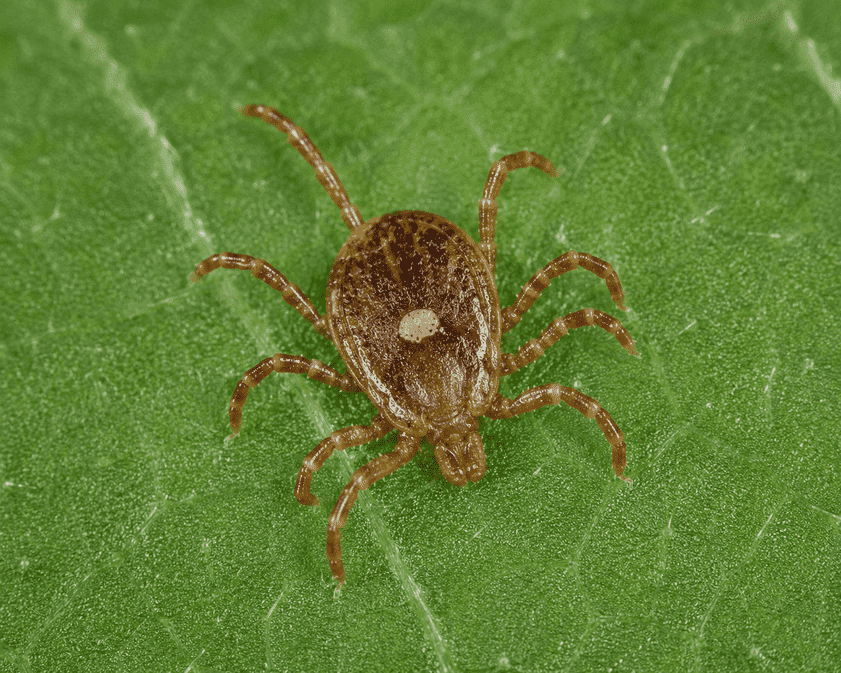
Unlike some tick species that passively wait for hosts, Lone Star Ticks actively seek out humans and animals. Many experts consider them one of the most aggressive tick species in North America.
Why Lone Star Ticks Are Different From Other Ohio Ticks
Ohio homeowners commonly encounter three major tick species:
- Blacklegged Tick (Deer Tick)
- American Dog Tick
- Lone Star Tick
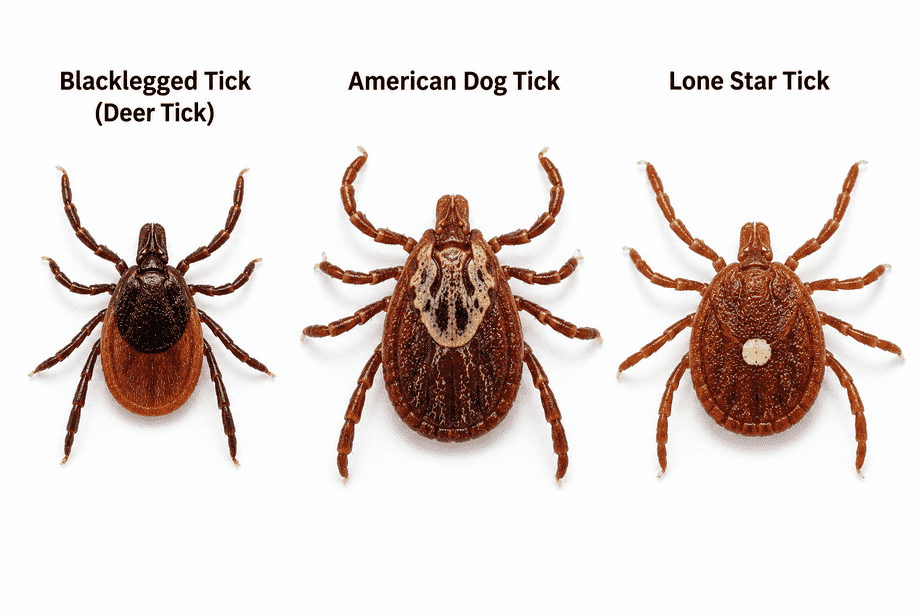
The Lone Star Tick stands out because of its behavior.
Unlike many ticks that simply wait on vegetation for a host to brush past, Lone Star Ticks often actively move toward carbon dioxide, heat, and movement.
This means they are more likely to pursue people and pets than many other tick species.
Homeowners frequently report finding multiple Lone Star Ticks attached after spending only a short time outdoors.
Diseases Associated With Lone Star Ticks
One reason health officials are monitoring Lone Star Tick populations closely is because they can transmit several diseases and illnesses.
Ehrlichiosis
Ehrlichiosis is a bacterial infection transmitted through tick bites.
Symptoms may include:
- Fever
- Chills
- Headache
- Muscle aches
- Fatigue
- Nausea
If left untreated, ehrlichiosis can become serious, especially for older adults or individuals with weakened immune systems.
Southern Tick-Associated Rash Illness (STARI)
STARI produces symptoms that closely resemble Lyme disease.
Common symptoms include:
- Circular rash
- Fatigue
- Fever
- Headaches
- Muscle pain
Researchers continue studying STARI because its exact cause remains less understood than Lyme disease.
Tularemia
Although less common, Lone Star Ticks can also be associated with tularemia, a potentially serious bacterial infection that can affect the skin, lymph nodes, eyes, and lungs.
The Growing Concern: Alpha-Gal Syndrome
The condition receiving the most attention from doctors and researchers is Alpha-Gal Syndrome.
What Is Alpha-Gal Syndrome?
Alpha-Gal Syndrome is a food allergy that develops after certain tick bites.
The Lone Star Tick can introduce a sugar molecule called alpha-gal into the body during feeding.
For some individuals, the immune system develops an allergic response to that molecule.
Afterward, consuming mammalian meat products such as:
- Beef
- Pork
- Lamb
- Venison
can trigger allergic reactions.
Symptoms of Alpha-Gal Syndrome
Symptoms often appear several hours after eating red meat and may include:
- Hives
- Itching
- Nausea
- Stomach pain
- Diarrhea
- Swelling
- Difficulty breathing
- Anaphylaxis
Many people spend months or even years trying to determine the cause of their symptoms before receiving a diagnosis.
As Lone Star Tick populations expand, awareness of Alpha-Gal Syndrome continues increasing throughout Ohio.
Where Lone Star Ticks Hide Around Your Property
Many homeowners assume ticks only live deep in forests.
That is not true.
Ticks frequently establish themselves in residential environments.
Common tick hotspots include:
- Tall grass
- Wooded edges
- Leaf piles
- Fence lines
- Groundcover vegetation
- Brush piles
- Garden borders
- Firewood stacks
- Dog play areas
- Wildlife trails
Properties bordering wooded areas often experience the highest tick activity.
Why Dog Owners Should Be Especially Concerned
Dogs are among the most common ways ticks enter residential properties.
Even a quick walk through a park, wooded trail, or overgrown yard can expose pets to ticks.
Common places to check dogs include:
- Ears
- Neck
- Under collars
- Between toes
- Belly
- Tail base
- Armpits
Many homeowners first discover a tick problem after finding ticks on their pets.
This is one reason regular yard maintenance and pet inspections are critical.
How to Reduce Tick Populations Around Your Home
Complete tick elimination is unrealistic. However, homeowners can dramatically reduce tick activity by making their properties less attractive to ticks and the wildlife that carry them.
- Keep Grass Short: Regular mowing helps reduce humidity levels and removes the tall vegetation where ticks commonly wait for passing hosts.
- Remove Leaf Litter: Ticks thrive in damp, shaded environments. Clearing leaves and yard debris reduces the moist conditions they prefer.
- Trim Overgrown Landscaping: Dense shrubs, groundcover, and unmanaged vegetation create excellent hiding places for ticks. Regular trimming increases sunlight and airflow.
- Create Buffer Zones: Wood chip, mulch, or gravel barriers between wooded areas and lawn spaces can help reduce tick movement into high-traffic areas.
- Discourage Wildlife Activity: Deer, rodents, raccoons, and other animals commonly carry ticks onto residential properties. Limiting food sources and shelter can help reduce wildlife visits.
- Maintain a Cleaner Yard: Pet waste, overgrown areas, and accumulated debris can attract rodents and other wildlife that contribute to tick activity around the home.
- Inspect Pets Regularly: Dogs frequently pick up ticks while exploring yards, parks, and trails. Routine tick checks help prevent ticks from entering the home.
- Consider Professional Yard Maintenance: Consistent yard care helps reduce many of the conditions that support tick populations and wildlife activity.
At Scoopet, we help homeowners throughout Northeast Ohio maintain cleaner outdoor spaces with professional dog waste removal, yard sanitizing, and yard deodorizing services. While no service can completely eliminate ticks, a cleaner and better-maintained yard can be an important part of an overall tick prevention strategy.
The Connection Between Yard Maintenance and Tick Control
Many people think tick prevention starts with pesticides.
In reality, habitat reduction is often the first and most important step.
A neglected yard provides everything ticks need:
- Moisture
- Shade
- Wildlife hosts
- Tall vegetation
- Organic debris
A maintained yard creates a much less favorable environment.
That is one reason regular lawn care, pet waste removal, debris cleanup, and property maintenance play important roles in overall tick prevention.
When Is Tick Season in Northeast Ohio?
Many homeowners assume tick season only occurs during summer.
Unfortunately, tick activity can begin much earlier.
Peak activity often occurs during:
- Spring
- Early summer
- Fall
However, during mild winters, ticks can remain active whenever temperatures rise above freezing.
This means Northeast Ohio residents should remain vigilant for much of the year.
What To Do If You Find a Tick
If you discover a tick attached to yourself, a family member, or a pet:
- Use fine-tipped tweezers.
- Grasp the tick as close to the skin as possible.
- Pull upward steadily.
- Avoid twisting or crushing the tick.
- Clean the bite area thoroughly.
- Monitor for symptoms over the following weeks.
If symptoms develop, contact a healthcare provider promptly.
Final Thoughts
The Lone Star Tick is no longer a problem limited to southern states. It is becoming an increasingly important concern throughout Northeast Ohio.
As tick populations continue expanding, homeowners need to understand where ticks live, how they spread, what diseases they can carry, and how to reduce exposure around their properties.
For dog owners, families, and outdoor enthusiasts, prevention starts with awareness and proper property maintenance.
At Scoopet, we help Northeast Ohio homeowners maintain cleaner, healthier outdoor spaces through professional dog waste removal, yard sanitation, flea & tick yard treatment, and pet-friendly property care. A cleaner yard does not eliminate ticks entirely, but it can help create an environment that is less attractive to the wildlife and conditions that support growing tick populations.
Frequently Asked Questions
Yes. Lone Star Tick sightings have increased across Ohio, including Northeast Ohio, as the species continues expanding its range northward.
Adult females have a distinctive white dot on their back. Males have scattered white markings around the edge of their bodies.
Lone Star Ticks are not considered primary carriers of Lyme disease. However, they can transmit ehrlichiosis, STARI, and other illnesses.
Alpha-Gal Syndrome is a red meat allergy linked to Lone Star Tick bites. It can cause allergic reactions after eating beef, pork, lamb, and other mammalian meats.
Yes. Dogs can be bitten by Lone Star Ticks and may carry ticks into homes and yards.
They are most active during spring, summer, and early fall, although mild winters may extend activity.
Use veterinarian-approved tick preventatives, perform routine tick checks, and maintain a clean, well-managed yard.